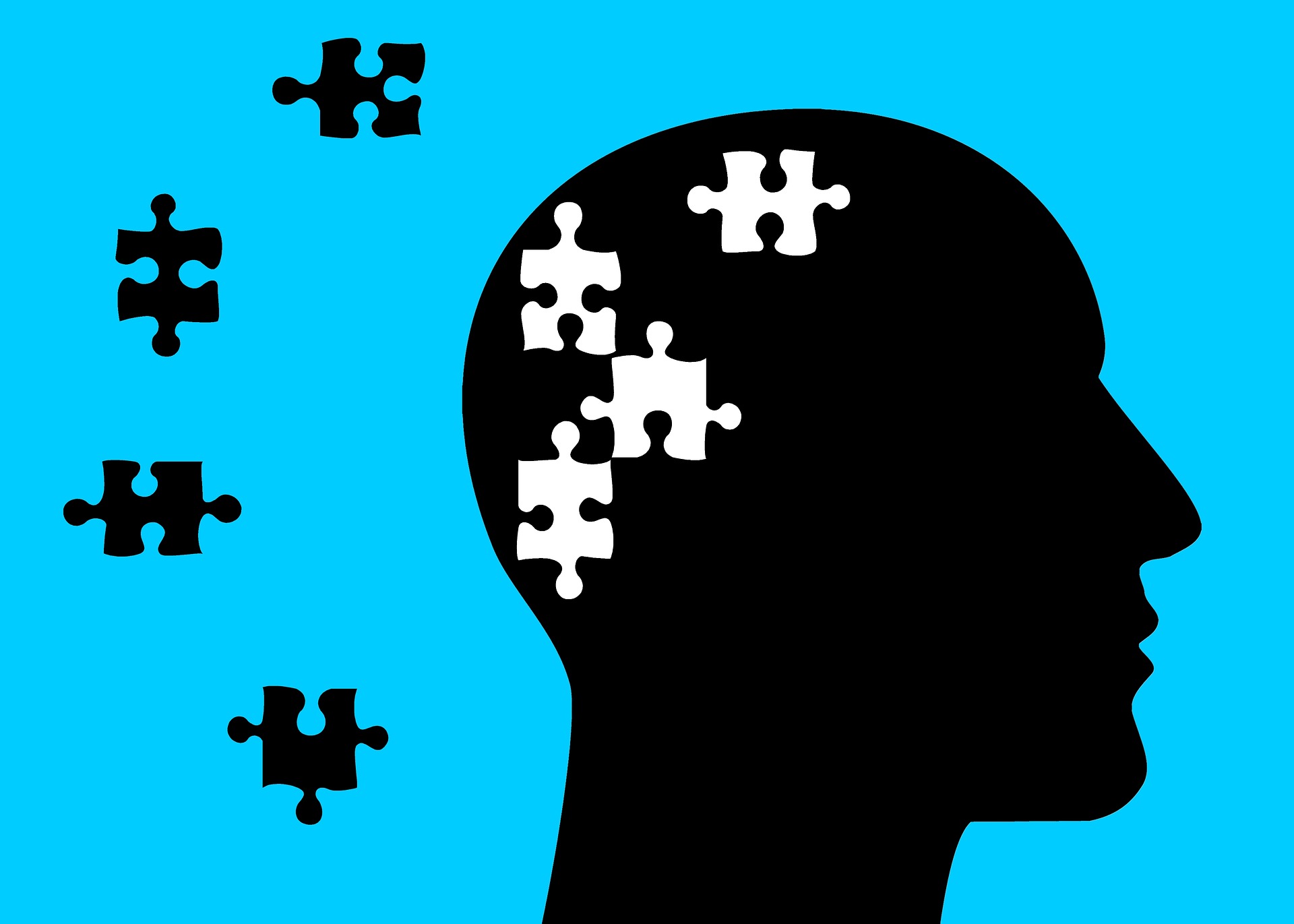
Forgetting a name occasionally or misplacing your keys happens to everyone. But when memory problems begin to interfere with everyday activities, communication, decision-making or independence, it may be time to speak with a doctor.
Alzheimer’s disease is the most common type of dementia. It is a progressive neurological condition that affects memory, thinking, behaviour and the ability to manage everyday activities. Although it is more common in people over 65, dementia is not a normal part of ageing, and younger people can also develop dementia.
Dementia is an important health issue in Australia. Dementia Australia estimates that 446,500 Australians are living with dementia in 2026, with around 29,000 people living with young onset dementia, meaning dementia diagnosed before the age of 65.
Understanding the early signs of Alzheimer's disease and knowing when to seek medical advice can help people access assessment, support and appropriate care sooner.
What Is Alzheimer’s Disease?
Alzheimer’s disease is a progressive condition that affects the brain. It can gradually interfere with memory, thinking, language, behaviour and everyday functioning.
In Alzheimer's disease, changes occur in the brain involving proteins such as amyloid and tau. These changes can damage nerve cells and affect the areas of the brain involved in memory, language and judgement. Researchers are still studying why these changes occur and why some people develop Alzheimer's disease while others do not.
Alzheimer's disease is the most common cause of dementia. Dementia itself is a broad term covering a number of conditions that cause progressive changes in cognitive function and daily functioning. Other types include vascular dementia, frontotemporal dementia and Lewy body disease.
Is Alzheimer’s Disease a Normal Part of Ageing?
No.
Some changes in memory and processing speed can occur as people get older. However, significant or progressive changes that interfere with everyday life should not simply be dismissed as normal ageing.
For example, occasionally forgetting where you placed your keys may happen with age. Regularly forgetting important information, getting lost in familiar places or struggling to complete familiar tasks may warrant medical assessment.
If you or someone close to you has noticed persistent changes in memory or thinking, speaking with a GP can be a useful first step.
Early Signs of Alzheimer’s Disease
The early symptoms of Alzheimer's disease can be subtle and may develop gradually.
Possible early signs include:
- Frequently forgetting recent conversations or events
- Difficulty finding familiar words
- Taking longer to complete familiar tasks
- Losing interest in usual hobbies or activities
- Difficulty adapting to changes
- Problems understanding complex information
- Becoming confused about time or place
- Repeatedly asking the same questions
- Misplacing items regularly
- Difficulty planning or solving everyday problems
Not every person experiences the same symptoms, and memory loss can have many possible causes. Stress, depression, anxiety, some medicines, alcohol use and other health conditions can also affect memory and thinking.
This is why proper medical assessment is important rather than assuming that memory changes are caused by Alzheimer's disease.
Symptoms as Alzheimer’s Disease Progresses
Alzheimer's disease is progressive, which means symptoms generally become more noticeable over time.
Mild Alzheimer’s Disease
In the early stage, a person may still be largely independent but experience increasing problems with recent memory, word finding, planning or completing familiar activities.
They may also become less interested in activities they previously enjoyed or have difficulty adapting to changes.
Moderate Alzheimer’s Disease
As the condition progresses, memory and thinking difficulties can become more noticeable.
A person may:
- Forget names of family members or friends
- Repeat questions or stories
- Have difficulty planning
- Struggle with everyday tasks
- Become confused about where they are
- Need increasing support with daily activities
Advanced Alzheimer’s Disease
In advanced stages, a person may require significant assistance with everyday activities. They may have difficulty recognising people, communicating, walking or controlling bladder and bowel function. Behavioural changes, restlessness, hallucinations or confusion may also occur.
The rate of progression varies from person to person.
What Causes Alzheimer’s Disease?
There is no single known cause of Alzheimer's disease.
Researchers have identified changes involving amyloid plaques and tau tangles in the brain. Genetics and other factors can also influence a person's risk.
Some risk factors cannot be changed, including age and certain genetic factors.
However, several health and lifestyle factors are associated with dementia risk. These include conditions such as:
- High blood pressure
- Diabetes
- High cholesterol
- Smoking
- Physical inactivity
- Obesity
- Hearing loss
- Excessive alcohol consumption
- Previous head injuries
Managing these factors is important for overall health and may also help reduce the risk of cognitive decline.
Alzheimer’s Disease and Younger People
Although Alzheimer's disease is more common in older adults, dementia can occur before the age of 65.
Dementia Australia estimates that around 29,000 Australians are living with young onset dementia in 2026. Young onset dementia is not a separate type of dementia; it describes dementia diagnosed in someone younger than 65. A person can have young onset Alzheimer's disease, vascular dementia or another form of dementia.
Memory or thinking changes in a younger adult should not automatically be assumed to be dementia. There are many other possible explanations, which is why medical assessment is important.
When Should You See a GP?
Consider speaking with your GP if you notice persistent changes in:
- Memory
- Thinking
- Concentration
- Language
- Behaviour
- Mood
- Ability to perform familiar activities
It can also be helpful for a family member or close friend to attend the appointment. They may have noticed changes that the person experiencing them has not recognised themselves.
Early assessment can help identify possible causes, rule out some conditions that can produce similar symptoms and determine whether further investigation is required.
How Is Alzheimer’s Disease Diagnosed?
There is no single test that can independently confirm Alzheimer's disease.
A GP or specialist will usually consider several pieces of information, including:
Medical History
Your doctor may ask about when symptoms began, how they have changed and how they affect everyday life.
They may also ask about your medicines, existing health conditions and family history.
Cognitive Assessment
Simple cognitive tests may assess memory, concentration, language, problem-solving and other thinking skills.
Physical and Neurological Examination
A physical or neurological examination can help doctors look for other possible causes of changes in thinking or behaviour.
Blood and Urine Tests
Blood or urine tests may be used to investigate other conditions that can produce symptoms similar to dementia, including thyroid problems, vitamin deficiencies, infection, anaemia or other medical conditions.
Brain Imaging
Depending on the circumstances, a doctor may recommend imaging such as a CT or MRI scan. Further specialist testing may also be considered.
Your GP may refer you to a geriatrician, neurologist, neuropsychologist or another appropriate specialist when required.
Why Early Diagnosis Matters
Getting an early diagnosis can help a person and their family understand what is happening and plan for the future.
It can provide an opportunity to:
- Understand the possible cause of symptoms
- Discuss treatment and management options
- Review other health conditions
- Plan future healthcare
- Discuss driving and safety
- Consider financial and legal arrangements
- Access community support
- Plan care with family members
Early assessment does not necessarily mean that a person has Alzheimer's disease. It can also identify other conditions that may be contributing to memory or thinking problems.
Can Alzheimer’s Disease Be Prevented?
There is currently no guaranteed way to prevent Alzheimer's disease.
Some risk factors, such as age and genetics, cannot be changed. However, looking after cardiovascular and overall health may help reduce the risk of dementia.
Healthdirect recommends measures such as:
- Staying physically active
- Eating a balanced diet
- Maintaining a healthy weight
- Not smoking
- Limiting alcohol
- Managing blood pressure
- Managing diabetes
- Managing cholesterol
- Protecting your head from injury
- Staying socially connected
- Keeping your brain active
- Managing hearing and vision problems These measures support overall health as well as brain health.
Treatment and Management of Alzheimer’s Disease
There is currently no known cure for Alzheimer's disease. However, treatment and supportive care can help manage symptoms and improve quality of life.
Depending on the individual, management may involve medicines, lifestyle changes, management of other health conditions and support from healthcare professionals and carers.
Regular medical appointments can help monitor changes over time and address new health concerns.
Care planning is also important as Alzheimer's disease progresses. This may include discussing future healthcare preferences, safety, support needs and practical arrangements.
Supporting Someone With Alzheimer’s Disease
Caring for someone with Alzheimer's disease can become increasingly demanding as the condition progresses.
Family members and carers may need support with:
- Medication management
- Appointments
- Daily activities
- Nutrition
- Safety at home
- Communication
- Behavioural changes
- Future care planning
Looking after the carer's own wellbeing is also important. Dementia Australia provides information and support for people living with dementia and their families and carers. The National Dementia Helpline is 1800 100 500.
Alzheimer’s Disease Care at AFMDP
At Aspley Family Medical Practice (AFMDP), our GPs provide personalised healthcare for adults and older patients, including assessment of health concerns that may affect memory, thinking and everyday wellbeing.
If you or a family member has noticed persistent memory changes, speaking with a GP can be an appropriate first step. Your doctor can discuss your symptoms, review your medical history and determine whether further assessment or referral is needed.
The goal is to understand what may be causing the changes rather than assuming that every memory problem is Alzheimer's disease.
Early discussion can also help families understand available healthcare and support options.
Looking After Brain and Overall Health
Brain health is closely connected with general health.
Managing conditions such as high blood pressure, diabetes and high cholesterol, staying physically active, eating well, avoiding smoking and maintaining social connections can all contribute to healthier ageing.
If you are concerned about your memory or have noticed changes in someone close to you, don't ignore the symptoms or simply assume they are part of getting older.
A conversation with your GP can be the first step towards understanding what is happening and deciding what support may be appropriate.
Frequently Asked Questions
What is Alzheimer’s disease?
Alzheimer's disease is a progressive neurological condition and the most common cause of dementia. It can affect memory, thinking, language, behaviour and the ability to perform everyday activities.
Is Alzheimer’s disease a normal part of ageing?
No. While some minor memory changes can occur with ageing, significant or progressive changes that interfere with everyday life should be assessed by a doctor.
What are the early signs of Alzheimer’s disease?
Early signs can include difficulty remembering recent events, finding familiar words, completing familiar tasks, planning or adapting to changes. However, these symptoms can have other causes, so medical assessment is important.
How common is dementia in Australia?
Dementia Australia estimates that 446,500 Australians are living with dementia in 2026. This includes different forms of dementia, with Alzheimer's disease being the most common type.
Can younger people develop Alzheimer’s disease?
Yes. Dementia can occur before the age of 65. Dementia Australia estimates that around 29,000 Australians are living with young onset dementia in 2026. Young onset dementia can include Alzheimer's disease as well as other forms of dementia.
How is Alzheimer’s disease diagnosed?
There is no single diagnostic test. Doctors may use medical history, physical and neurological examinations, cognitive assessments, blood or urine tests and brain imaging. Specialist assessment may also be recommended.
Can Alzheimer’s disease be prevented?
There is no guaranteed way to prevent Alzheimer's disease. However, managing conditions such as high blood pressure, diabetes and high cholesterol, staying active, not smoking, maintaining a healthy weight and staying socially and mentally active may help reduce dementia risk.
When should I see a doctor about memory loss?
Speak with your GP if memory, thinking, mood or behaviour changes are persistent or begin affecting everyday activities. Early assessment can help identify possible causes and determine whether further investigation is needed.
Where can I get medical advice about memory problems in Aspley?
You can speak with the healthcare team at Aspley Family Medical Practice (AFMDP) about persistent memory or cognitive concerns. A GP can assess your symptoms and determine whether further investigation or specialist referral may be appropriate.