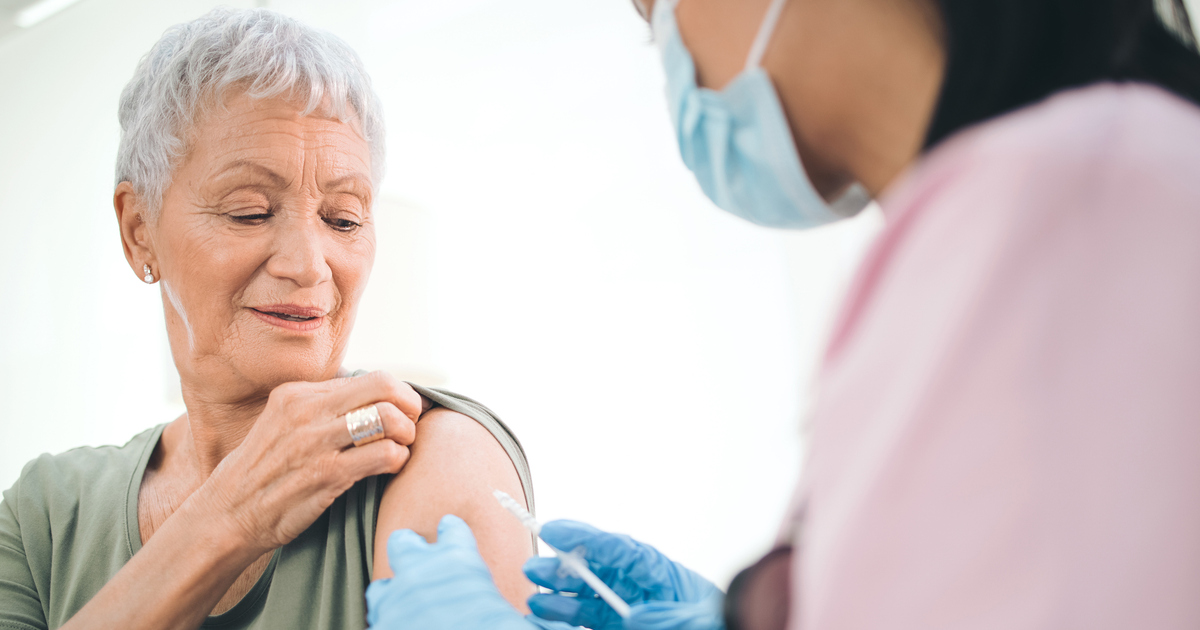
RSV VACCINES ARE FREE FOR THOSE ABOVE 75 YEARS OLD. Chat with Aspley Family Medical Practice or a nurse to find the right flu vaccine for you. Flu season is here—stay protected.Quick, safe, and effective protection for all ages.Book your appointment today or walk in.Protect yourself and your loved ones.

Cancer screening is an important part of preventive healthcare. Some cancers can develop before noticeable symptoms appear, which is why regular screening can help identify certain cancers or early changes at an earlier stage.
Australia currently has four national population-based cancer screening programs: breast, bowel, cervical and lung cancer screening. The right screening approach depends on your age, health history, family history and individual risk.
For people living in Aspley and surrounding Brisbane communities, speaking with a GP can make it easier to understand which screening tests are relevant and when they should be considered.
What Is a Cancer Screening Test?
A cancer screening test is used to look for certain cancers or early changes in people who generally do not have symptoms.
Screening is different from diagnostic testing. If you already have symptoms such as unexplained bleeding, a new lump or persistent changes in your health, you should speak with your GP rather than waiting for your next routine screening test.
No screening test is 100% accurate, so regular participation and appropriate follow-up are important.
Why Is Cancer Screening Important?
The main purpose of screening is early detection.
Finding some cancers earlier can provide more opportunities for treatment and may improve outcomes. Some screening programs can also identify changes before cancer develops.
For example, cervical screening can detect HPV infection and cervical cell changes that may require follow-up.
Regular screening is therefore one part of a broader preventive healthcare plan.
What Cancer Screening Is Available in Australia?
Australia's national cancer screening programs cover:
|
Screening Program |
Purpose |
|
BreastScreen Australia |
Screening for breast cancer |
|
National Bowel Cancer Screening Program |
Screening for bowel cancer |
|
National Cervical Screening Program |
Screening for cervical cancer |
|
National Lung Cancer Screening Program |
Screening eligible people at higher risk of lung cancer |
The Australian Government recommends discussing screening with a healthcare professional if you are unsure about your eligibility or have an increased risk of cancer.
Bowel Cancer Screening
Bowel cancer can develop without obvious symptoms, which makes screening particularly important.
The National Bowel Cancer Screening Program provides eligible Australians with a free test that can be completed at home. The program currently covers people aged 45 to 74, with specific arrangements for different age groups.
The test looks for tiny amounts of blood in bowel motions that may not be visible.
A positive result does not automatically mean you have bowel cancer. It means further medical assessment may be recommended.
If you have bowel symptoms or a strong family history, speak with your GP rather than relying only on routine screening.
Cervical Cancer Screening
The National Cervical Screening Program helps prevent cervical cancer and identify early changes.
Women and people with a cervix aged 25 to 74 are invited to have a Cervical Screening Test every five years through a healthcare provider. Self-collection is also available for eligible participants.
If you are unsure when your next cervical screening test is due, your GP can help you understand your options.
Breast Cancer Screening
BreastScreen Australia provides breast cancer screening for eligible women.
Screening can help detect breast cancer at an earlier stage. However, routine screening should not replace medical assessment of new breast symptoms.
Speak with your GP if you notice:
Lung Cancer Screening
Australia's National Lung Cancer Screening Program is designed for people at increased risk of lung cancer.
The program uses low-dose CT scans and focuses on eligible people aged 50 to 70 who currently smoke or have a history of smoking, including people who quit within the previous 10 years.
Your GP can help you understand whether you may be eligible and discuss the benefits and potential risks of screening.
What About Skin Cancer Screening?
Skin cancer is a major health concern in Australia, but there is currently no national population-based skin cancer screening program.
That does not mean you should ignore changes to your skin.
You should speak with a GP if you notice a mole or skin lesion that:
A GP can examine the area and determine whether further assessment, monitoring, biopsy or specialist referral is appropriate.
AFMDP also lists skin cancer checks, skin checks, mole assessment and biopsy procedures among its available services.
Are Skin Cancer Screenings Free in Australia?
There is no universal free national skin cancer screening program in Australia.
The cost of a skin assessment depends on the healthcare service, consultation and individual circumstances. If you are concerned about a specific mole or skin lesion, it is better to have it assessed by a GP rather than delaying care because you are unsure about the cost.
Who Should Have Cancer Screening?
Screening recommendations are generally based on age and risk.
Your GP may also consider:
If you know that you have a higher risk of cancer, the Australian Government recommends speaking with your doctor rather than simply waiting until you become eligible for a population screening program.
Can I Have Cancer Screening If I Have No Symptoms?
Yes.
In fact, population-based screening programs are primarily designed for people without symptoms.
However, if you already have symptoms that concern you, don't wait for routine screening. Make an appointment with your GP so that your symptoms can be assessed appropriately.
Can a GP Arrange Cancer Screening?
Yes.
A GP can discuss your:
Based on this information, your GP can explain which screening programs may be relevant and whether additional testing or referral is appropriate.
What Happens During a Cancer Screening Appointment?
Your appointment will depend on the type of screening you need.
Generally, your GP may:
1. Discuss your health history
Your doctor may ask about previous illnesses, family history and previous screening.
2. Assess your risk
Your age, lifestyle and other risk factors may be considered.
3. Discuss screening options
Your GP can explain which tests may be appropriate.
4. Arrange testing or referral
If necessary, your doctor can organise further investigation or referral.
5. Explain follow-up
If a result requires further assessment, your GP can explain the next steps.
The process is designed to be personalised to your health needs.
What If My Cancer Screening Result Is Abnormal?
An abnormal or positive screening result does not necessarily mean you have cancer.
It usually means that further investigation may be needed.
Depending on the test, your doctor may recommend another test, imaging, monitoring or referral to a specialist.
The most important thing is to follow up on the result rather than ignoring it.
How Often Should I Have Cancer Screening?
There is no single schedule for every type of cancer.
For example:
Your GP can help you understand when your next screening is due.
What Symptoms Should You Discuss With a GP?
Cancer can cause different symptoms, but many of these symptoms can also be caused by conditions that are not cancer.
Speak with your GP if you notice:
You don't need to assume that these symptoms mean cancer. The important thing is to have persistent or unusual changes assessed.
What Doctors Work at Aspley Family Medical & Dental Practice?
Aspley Family Medical & Dental Practice (AFMDP) provides general practice and preventive healthcare services in Aspley.
The practice's current doctor information includes GPs such as Dr Pande, Dr Pratibha Sharma, Dr Shyam Chatterjee, Dr Sana Kiyani and Dr Archana Bhandarker. The practice also has allied health professionals, including a dietitian and physiotherapist.
For the most current availability and doctor information, patients should contact the practice directly.
Where Can I Get Cancer Screening in Aspley?
If you live in Aspley or nearby Brisbane suburbs, you can speak with a GP at AFMDP about your cancer screening needs.
The practice provides cancer screening as part of its preventive healthcare services, alongside health checks, skin checks, mole assessment and other preventive care.
Your GP can help you understand which screening is appropriate based on your individual circumstances.
Cancer Screening at AFMDP
AFMDP takes a preventive approach to healthcare, with cancer screening included among its health screening services. The practice describes its approach as personalised, with screening and health advice based on factors such as age, lifestyle and medical history.
Cancer screening at the practice can involve discussing your health concerns, reviewing risk factors, recommending appropriate tests and arranging referrals where necessary.
The aim is not simply to perform tests. It is to help patients understand their health risks and take appropriate action.
Frequently Asked Questions About Cancer Screening
What is a cancer screening test?
A cancer screening test looks for certain cancers or early changes in people who generally have no symptoms. Screening is different from diagnostic testing.
What cancer screening tests are available in Australia?
Australia has four national population-based screening programs covering breast, bowel, cervical and lung cancer.
Are skin cancer screenings free in Australia?
There is no national population-based free skin cancer screening program. Costs can vary depending on the healthcare provider and type of consultation.
What age should you start cancer screening?
It depends on the type of cancer. For example, bowel screening is available through the national program for eligible Australians aged 45–74, while cervical screening applies to eligible women and people with a cervix aged 25–74.
Can men have cancer screening?
Yes. Men can participate in relevant screening programs such as bowel and lung cancer screening when eligible. Individual risk factors may also require additional assessment.
Do women need regular cancer screening?
Yes. Eligible women and people with a cervix can participate in relevant national screening programs, including breast, cervical and bowel cancer screening.
Can I have cancer screening if cancer runs in my family?
Yes. Tell your GP about your family history. A strong family history may affect your individual risk and screening requirements.
Can cancer screening detect cancer early?
Yes. Early detection is one of the key purposes of Australia's cancer screening programs.
Does a positive screening test mean I have cancer?
No. A positive or abnormal result usually means that further investigation may be required.
Can a GP arrange cancer screening?
Yes. Your GP can assess your risk and discuss appropriate screening tests or referrals.
Should I wait for my screening appointment if I have symptoms?
No. If you have concerning symptoms, speak with your GP rather than waiting for routine screening.
How do I know which cancer screening test I need?
Your age, health history, family history, lifestyle and individual risk all matter. A GP can help you understand which screening is appropriate.
Is cancer screening covered by Medicare?
Some national screening programs are provided free to eligible participants. Other consultations and tests may have different costs. Ask your healthcare provider about fees that apply to your circumstances.
Where can I get cancer screening in Aspley?
You can discuss your screening needs with the GPs at Aspley Family Medical & Dental Practice (AFMDP). The practice provides cancer screening and other preventive healthcare services.
Take a Proactive Approach to Your Health
Cancer screening isn't about expecting the worst. It is about being proactive and understanding your health risks.
Keeping up with recommended screening, knowing your family history and speaking with your GP when you notice unusual changes can all contribute to better preventive healthcare.
If you are due for screening, concerned about your cancer risk or simply unsure which test you need, a conversation with your GP can be a good place to start.
AFMDP provides cancer screening and preventive healthcare in Aspley, Brisbane.
Mental health is an important part of overall wellbeing at every stage of a woman's life. From adolescence and early adulthood to pregnancy, motherhood, menopause and later life, women can experience different emotional, social and physical pressures that may affect their mental wellbeing.
According to the Australian Institute of Health and Welfare (AIHW), 25% of Australian women aged 16–85 experienced a mental illness in the previous 12 months, while 44% had experienced mental illness at some point in their lifetime, based on the 2020–2022 National Study of Mental Health and Wellbeing. Women also reported higher rates of anxiety and affective disorders than men.
Understanding women's mental health is therefore not simply about recognising mental illness. It is also about noticing changes early, talking openly about emotional wellbeing and knowing when professional support may be appropriate.
What Can Affect Women’s Mental Health?
Mental health is influenced by a combination of biological, psychological and social factors. Women may experience mental health challenges in connection with:
These factors do not affect every woman in the same way. Two people experiencing similar circumstances may have very different emotional responses.
Common Mental Health Concerns in Women
Anxiety
Anxiety can involve persistent worry, nervousness or a feeling that something bad may happen. Physical symptoms may include difficulty sleeping, restlessness, muscle tension or a racing heartbeat.
Occasional anxiety is a normal human response. However, when anxiety becomes persistent or starts affecting work, relationships, sleep or daily activities, it may be worth discussing with a GP.
Depression
Depression is more than feeling sad after a difficult day. It can involve persistent low mood, loss of interest in activities, low energy, changes in sleep or appetite, difficulty concentrating and feelings of hopelessness.
Women may experience depression at different stages of life, and recognising symptoms early can make it easier to seek appropriate support.
Stress and Emotional Exhaustion
Managing work, family responsibilities, relationships and personal expectations can sometimes become overwhelming.
Long-term stress may affect sleep, concentration, mood and physical wellbeing. Recognising when everyday stress is becoming difficult to manage is an important part of self-care.
Women’s Mental Health Through Different Life Stages
Mental health needs can change throughout life.
Adolescence and Young Adulthood
Young women may experience academic pressure, social expectations, relationship challenges, body-image concerns and changes in family or work circumstances.
Early support can help prevent difficulties from becoming more disruptive to everyday life.
Pregnancy and After Childbirth
Pregnancy and the period following childbirth involve major physical, emotional and lifestyle changes.
Some women experience significant anxiety or depression during pregnancy or after giving birth. Changes in mood should not simply be dismissed as a normal part of becoming a parent.
Speaking with a GP, midwife or other qualified healthcare professional can help determine whether additional support is needed.
Midlife and Menopause
Menopause can involve physical symptoms as well as changes in sleep, mood and emotional wellbeing. Some women may experience increased anxiety, low mood or difficulty coping during this transition.
If these changes are persistent or interfering with daily life, discussing them with a healthcare professional can be helpful.
When Should You Seek Mental Health Support?
You don't need to wait until your mental health becomes overwhelming before asking for help.
Consider talking to your GP if you notice:
Your GP can discuss your symptoms, assess your mental health and help determine what type of support may be appropriate.
What Is a Mental Health Treatment Plan?
For eligible Australians diagnosed with a mental health condition, a Mental Health Treatment Plan can provide a structured approach to treatment.
Healthdirect explains that a mental health treatment plan identifies treatment options, available support services and goals agreed between the patient and doctor.
Under the current Better Access arrangements, eligible patients can receive Medicare benefits for up to 10 individual and 10 group mental health services per calendar year, subject to the relevant requirements. The initial course can include up to six services, with further services available following review where appropriate.
Importantly, a Mental Health Treatment Plan is not simply a form. Current Australian Government guidance describes it as a document that should include an assessment of the mental disorder, an outcome measurement tool where clinically appropriate and a provisional or formal diagnosis.
How Can a GP Support Women's Mental Health?
A GP can be an important first point of contact when you're experiencing emotional or psychological difficulties.
Depending on your circumstances, your GP may:
Mental health care should be individualised. What works for one person may not be appropriate for another.
Small Steps Can Support Mental Wellbeing
Professional support is important when you need it, but everyday habits can also contribute to mental wellbeing.
Consider making time for:
The Australian Government also highlights healthy eating, regular exercise, adequate sleep and reducing alcohol, tobacco and other drug use as lifestyle factors that can support mental health.
These habits are not substitutes for professional treatment when someone has a mental health condition, but they can form part of a broader approach to wellbeing.
Why Talking About Women’s Mental Health Matters
Mental health concerns can sometimes remain hidden because women may feel pressure to continue managing work, family and personal responsibilities despite struggling emotionally.
Asking for help is not a sign of weakness.
In fact, recent Australian data shows that women are significant users of mental health services. In 2024–25, females aged 25–34 had the largest increase in the rate of people receiving Medicare-subsidised mental health services over the previous decade.
Seeking support early can be an important step towards understanding what you're experiencing and finding appropriate care.
Women's Mental Health Care at AFMDP
At Aspley Family Medical & Dental Practice (AFMDP), mental health care can begin with a conversation with a GP.
If you're experiencing anxiety, depression, stress or other mental health concerns, a GP can assess your situation and discuss appropriate next steps. Where clinically appropriate and eligible, a Mental Health Treatment Plan may form part of your ongoing care.
A plan can help provide a structured pathway towards professional support while giving you and your healthcare provider clear goals to work towards.
You can learn more about Mental Health Care Plans at AFMDP.
Frequently Asked Questions
What is women's mental health?
Women's mental health refers to the emotional, psychological and social wellbeing of women throughout different stages of life.
What are common mental health concerns among women?
Anxiety, depression and stress are among the common mental health concerns experienced by women. Other conditions can also occur and require professional assessment.
When should I speak to a GP?
If changes in your mood, thoughts, sleep or behaviour persist or begin affecting your everyday life, relationships or work, consider speaking with a GP.
Can a GP help with anxiety or depression?
Yes. A GP can assess your symptoms, discuss treatment options and refer you to appropriate mental health professionals where needed.
What is a Mental Health Treatment Plan?
It is a structured plan for eligible people with a diagnosed mental health condition that identifies treatment needs, goals and appropriate support.
Your Mental Health Deserves Attention
Women's mental health can change throughout life, and there is no single experience that defines what good mental wellbeing looks like.
Whether you're dealing with ongoing stress, anxiety, low mood or challenges associated with a major life transition, you don't have to manage everything alone.
Recognising the signs and having an honest conversation with your GP can be an important first step.
AFMDP supports women's health and mental wellbeing through personalised GP care in Aspley and the surrounding Brisbane community. If you would like to discuss your mental health or learn whether a Mental Health Treatment Plan may be appropriate for you, visit AFMDP Mental Health Care Plan.