Did you know that around 1.3 million Australians were living with diagnosed diabetes in 2022? Diabetes is one of Australia's most significant chronic health conditions, affecting people of different ages and backgrounds. It requires ongoing medical care, regular monitoring, and lifestyle support to help reduce the risk of complications. Diabetes can affect many aspects of daily life, from energy levels and eating habits to long-term heart, kidney, eye, and nerve health. While some people notice symptoms early, others may live with the condition for years without recognising the warning signs.
Understanding diabetes, knowing when to seek medical advice, and following an appropriate management plan can help people take a more proactive approach to their health.
For people living in Aspley and surrounding Brisbane Northside communities, Aspley Family Medical & Dental Practice (AFMDP) provides personalised diabetes care, including medical assessments, blood glucose monitoring, medication management, lifestyle guidance, and ongoing support.
This blog explores the different types of diabetes, common symptoms, causes, diagnosis, possible complications, and practical ways to manage the condition with support from a GP.
What Is Diabetes?
Diabetes is a chronic condition that affects how the body regulates blood glucose, commonly known as blood sugar.
Glucose is the body's main source of energy and comes primarily from the food we eat. The hormone insulin, produced by the pancreas, helps glucose move from the bloodstream into the body's cells.
When the body does not produce enough insulin or cannot use it effectively, glucose builds up in the bloodstream. Over time, persistently high blood glucose levels can damage blood vessels and affect different organs.
Diabetes requires ongoing attention because uncontrolled blood glucose can increase the risk of several health complications.
The three main types of diabetes are:
- Type 1 diabetes.
- Type 2 diabetes.
- Gestational diabetes.
Although all three involve problems with blood glucose regulation, their causes, risk factors, and management approaches differ.
What Are the Different Types of Diabetes?
Understanding the type of diabetes a person has is essential for choosing the right treatment and monitoring approach.
1. Type 1 Diabetes
Type 1 diabetes is an autoimmune condition in which the body's immune system attacks the insulin-producing cells in the pancreas.
As a result, the body produces little or no insulin, making insulin treatment essential for survival.
Type 1 diabetes can develop during childhood, adolescence, or adulthood. It is not caused by eating too much sugar or simply having an unhealthy lifestyle.
Common symptoms include:
- Increased thirst.
- Frequent urination.
- Unexplained weight loss.
- Extreme tiredness.
- Increased hunger.
- Blurred vision.
Symptoms can develop quickly. If someone experiences these symptoms alongside vomiting, abdominal pain, deep or rapid breathing, or unusual drowsiness, they should seek urgent medical attention.
People with type 1 diabetes need insulin therapy, regular blood glucose monitoring, and ongoing medical support.
2. Type 2 Diabetes
Type 2 diabetes is the most common form of diabetes in Australia.
It develops when the body becomes less responsive to insulin and may eventually be unable to produce enough insulin to maintain healthy blood glucose levels.
The condition usually develops gradually and may not cause noticeable symptoms in its early stages.
Several factors can increase the risk of developing type 2 diabetes, including:
- Family history of diabetes.
- Increasing age.
- Physical inactivity.
- Excess body weight, particularly around the waist.
- A history of gestational diabetes.
- Certain medical conditions and medications.
However, type 2 diabetes can affect people of different body sizes, ages, and activity levels.
Management may include dietary changes, physical activity, blood glucose monitoring, oral medicines, injectable medications, or insulin, depending on individual needs.
Early diagnosis and appropriate care can help reduce the risk of complications.
3. Gestational Diabetes
Gestational diabetes develops during pregnancy when the body cannot produce enough insulin to meet the increased demands of pregnancy.
It usually develops during the second or third trimester and may not cause obvious symptoms.
Risk factors can include:
- A history of gestational diabetes.
- A family history of type 2 diabetes.
- Previous delivery of a baby with a high birth weight.
- Certain pre-existing medical conditions.
- Higher maternal age.
Gestational diabetes can increase the risk of complications during pregnancy and delivery if blood glucose is not well managed.
Management may involve dietary guidance, physical activity, blood glucose monitoring, and medication when required.
Women who have had gestational diabetes also have an increased risk of developing type 2 diabetes later in life, making follow-up testing important.
Common Symptoms of Diabetes
Recognising the symptoms of diabetes can help people seek medical advice and receive an appropriate diagnosis.
Some people experience several symptoms, while others may have very few noticeable signs.
Early Warning Signs
Common symptoms include:
1. Increased Thirst
Persistent thirst may occur when high blood glucose levels cause the body to lose more fluid through urination.
2. Frequent Urination
People with diabetes may need to urinate more often than usual, including during the night.
3. Constant Fatigue
High blood glucose can affect how the body uses energy, contributing to tiredness or low energy levels.
4. Unexplained Weight Loss
Unintentional weight loss can occur when the body cannot use glucose effectively and begins breaking down stored fat and muscle for energy.
5. Increased Hunger
Some people may feel unusually hungry because the body's cells are not using glucose effectively.
6. Blurred Vision
Changes in blood glucose can affect the fluid balance in the eyes and temporarily alter vision.
7. Slow-Healing Wounds
High blood glucose can affect circulation and the body's ability to heal wounds, increasing the risk of infections.
8. Tingling or Numbness
Nerve damage associated with diabetes may cause tingling, burning, pain, or reduced sensation in the hands and feet.
These symptoms can also occur with other health conditions. If you notice persistent or unexplained changes, consult a GP for assessment.
What Causes Diabetes and Who Is at Risk?
The causes of diabetes depend on the type of condition.
Type 1 diabetes is an autoimmune disease, while type 2 diabetes involves insulin resistance and a gradual decline in the body's ability to maintain healthy blood glucose levels.
Gestational diabetes develops when the body cannot meet the increased insulin demands of pregnancy.
Risk Factors for Type 2 Diabetes
Several factors can increase the likelihood of developing type 2 diabetes.
Family History
Having a parent, sibling, or other close family member with type 2 diabetes can increase a person's risk.
Age
The risk of type 2 diabetes generally increases with age, although it can also develop in younger adults and children.
Physical Inactivity
Low levels of physical activity can contribute to insulin resistance and other metabolic risk factors.
Weight and Metabolic Health
Excess body fat, particularly around the abdomen, can increase the risk of insulin resistance. However, diabetes can also develop in people who do not have excess body weight.
Previous Gestational Diabetes
Women who have experienced gestational diabetes have a higher risk of developing type 2 diabetes later in life.
Other Health Conditions
Conditions such as polycystic ovary syndrome (PCOS) and certain metabolic disorders may increase the risk of type 2 diabetes.
Understanding these risk factors can help people discuss appropriate screening and preventive care with their GP.
When Should You See a GP for Diabetes Care?
It is important to seek medical advice if you experience symptoms that may indicate diabetes or have concerns about your blood glucose levels.
Consider booking a GP appointment if:
- You are experiencing increased thirst or frequent urination.
- You feel unusually tired without a clear reason.
- You have unexplained weight loss.
- You have blurred vision or recurring infections.
- You have a family history of diabetes.
- You have previously experienced gestational diabetes.
- You have been diagnosed with diabetes and need ongoing care.
- Your blood glucose readings are frequently outside your target range.
- You need help reviewing medication or insulin treatment.
A GP can assess your symptoms, medical history, and risk factors and determine whether blood tests or further investigations are appropriate.
Seek urgent medical attention if you experience vomiting, abdominal pain, deep or rapid breathing, severe dehydration, confusion, or unusual drowsiness, particularly if diabetes is suspected or already diagnosed. These symptoms can indicate a serious complication requiring immediate treatment.
How Is Diabetes Diagnosed?
Diabetes is diagnosed through blood tests that measure glucose levels or assess how the body manages glucose.
A GP may recommend testing based on symptoms, medical history, family history, or other risk factors.
1. Fasting Blood Glucose Test
This test measures blood glucose after a period of fasting.
It can help identify elevated blood glucose levels and support the diagnosis of diabetes.
2. HbA1c Test
The HbA1c test measures the percentage of haemoglobin in red blood cells that has glucose attached to it.
It provides an indication of average blood glucose levels over approximately the previous two to three months.
HbA1c testing is commonly used to diagnose and monitor diabetes, although it may not be suitable for every person or situation.
3. Oral Glucose Tolerance Test
An oral glucose tolerance test measures how the body processes glucose after a person drinks a glucose-containing solution.
It is commonly used to diagnose gestational diabetes and may also be used in other situations when clinically appropriate.
4. Random Blood Glucose Test
A random blood glucose test measures glucose levels at any time of the day.
It may be used when a person has symptoms suggestive of diabetes and needs prompt assessment.
The specific tests required depend on the individual's symptoms and circumstances. In some cases, repeat testing may be needed to confirm a diagnosis.
Why Is Blood Glucose Control Important?
Managing blood glucose levels is an important part of diabetes care.
Persistently high blood glucose can damage blood vessels and nerves over time, increasing the risk of complications affecting the heart, kidneys, eyes, and feet.
However, blood glucose levels that fall too low can also be dangerous, particularly for people using insulin or certain diabetes medicines.
A personalised management plan aims to maintain glucose levels within an appropriate target range while reducing the risk of both high and low blood glucose.
Understanding High Blood Glucose
High blood glucose, also called hyperglycaemia, occurs when glucose levels rise above the recommended target range.
Possible symptoms include:
- Increased thirst.
- Frequent urination.
- Fatigue.
- Blurred vision.
- Headaches.
Persistent high blood glucose may indicate that the treatment plan needs to be reviewed.
Understanding Low Blood Glucose
Low blood glucose, or hypoglycaemia, is generally defined as a blood glucose level below 4 mmol/L.
It can occur in people using insulin or certain glucose-lowering medicines.
Symptoms may include:
- Sweating.
- Shaking.
- Hunger.
- Dizziness.
- Difficulty concentrating.
- Irritability or confusion.
Severe hypoglycaemia can cause seizures or loss of consciousness and requires emergency assistance.
People using insulin or medicines that can cause hypoglycaemia should discuss how to recognise and manage low blood glucose with their healthcare professional.
Possible Complications of Diabetes
When diabetes is not adequately managed, high blood glucose can damage blood vessels and nerves over time.
Complications may affect several parts of the body.
1. Heart Disease and Stroke
Diabetes can increase the risk of cardiovascular disease, including heart attacks and strokes.
Managing blood glucose, blood pressure, and cholesterol can help reduce cardiovascular risk.
2. Kidney Damage
Diabetes can damage the small blood vessels in the kidneys, affecting their ability to filter waste from the blood.
Regular kidney function tests and urine albumin testing can help identify early signs of kidney damage.
3. Nerve Damage
Diabetic neuropathy occurs when high blood glucose damages nerves.
It commonly affects the feet and legs and may cause pain, tingling, numbness, or reduced sensation.
Reduced sensation can make it harder to notice injuries or infections.
4. Eye Problems
Diabetes can damage the blood vessels in the retina, leading to diabetic retinopathy.
Without appropriate monitoring and treatment, this can affect vision.
Regular diabetic eye screening is important even when vision appears normal.
5. Foot Complications
Diabetes can affect circulation and nerve function in the feet.
This may increase the risk of ulcers, infections, and slow-healing wounds.
Regular foot checks and appropriate footwear can help identify problems early.
6. Oral Health Problems
People with diabetes may have a higher risk of gum disease and certain oral health problems, particularly when blood glucose levels are poorly controlled.
Regular dental care and good oral hygiene are important parts of overall health management.
How Can Diabetes Be Managed Effectively?
Diabetes management is not the same for everyone.
The right approach depends on the type of diabetes, blood glucose levels, age, medical history, medications, and individual health goals.
A personalised care plan may include the following.
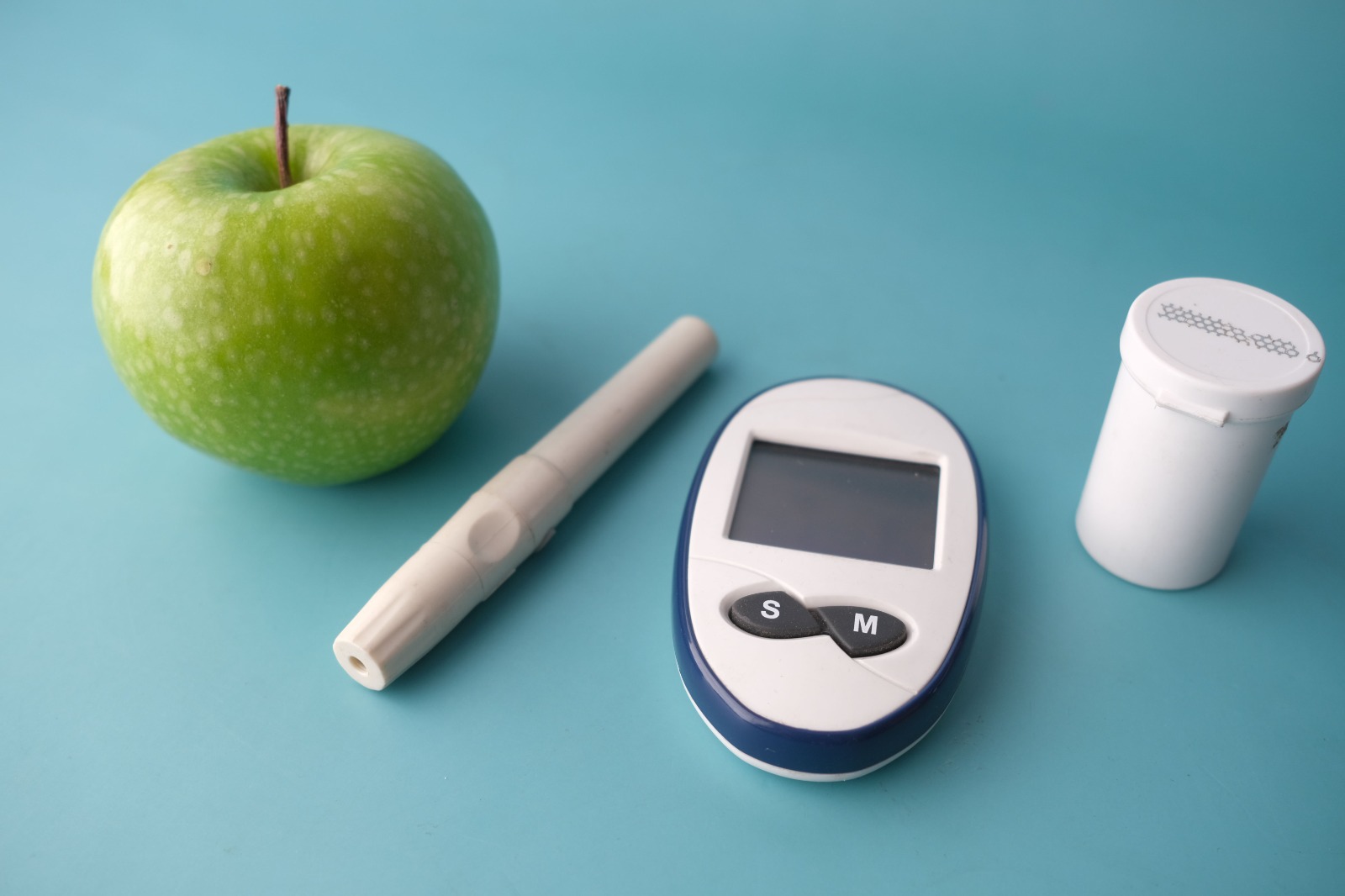
1. Regular Blood Glucose Monitoring
Monitoring blood glucose can help people understand how food, physical activity, medication, illness, and daily routines affect their glucose levels.
Depending on the type of diabetes and treatment, monitoring may involve a blood glucose meter or a continuous glucose monitoring device.
A GP can help determine whether monitoring is needed and how often it should be performed.
2. Balanced Nutrition
A balanced eating pattern can support blood glucose management and overall health.
Helpful approaches may include:
- Eating a variety of vegetables.
- Choosing wholegrain foods where appropriate.
- Including sources of protein.
- Eating fibre-rich foods.
- Being mindful of portion sizes.
- Limiting sugary drinks and highly processed foods.
- Maintaining regular meal patterns when required by treatment.
There is no single diet that works for everyone with diabetes.
A GP or accredited practising dietitian can help develop a practical eating plan that suits individual needs, preferences, and medical circumstances.
3. Regular Physical Activity
Physical activity can help the body use insulin more effectively and support cardiovascular health.
Depending on individual health and fitness levels, activities may include:
- Walking.
- Cycling.
- Swimming.
- Strength training.
- Gentle stretching.
- Other enjoyable forms of movement.
People using insulin or certain glucose-lowering medicines should discuss how to manage blood glucose around exercise to reduce the risk of hypoglycaemia.
4. Medication and Insulin Management
Some people with diabetes can manage their condition through lifestyle changes and non-insulin medicines, while others require insulin or a combination of treatments.
Medication management may involve:
- Reviewing current medicines.
- Monitoring treatment effectiveness.
- Assessing possible side effects.
- Discussing insulin use when required.
- Adjusting treatment under medical supervision.
People should not change or stop prescribed diabetes medication without consulting their healthcare professional.
5. Maintaining a Healthy Weight Where Appropriate
For some people with type 2 diabetes, weight management may help improve insulin sensitivity and blood glucose control.
However, weight management should be individualised and focused on overall health rather than a particular body size.
A GP can discuss appropriate options based on the person's medical history and health goals.
6. Managing Stress and Sleep
Stress and poor sleep can affect blood glucose levels and make diabetes management more challenging.
Helpful approaches may include maintaining a regular sleep routine, practising relaxation techniques, and seeking support for ongoing stress.
People who experience persistent sleep difficulties or emotional distress should discuss these concerns with their GP.
Essential Health Checks for People Living with Diabetes
Regular health monitoring is an important part of diabetes care because some complications can develop without noticeable symptoms.
Depending on the individual's condition, a diabetes care plan may include the following checks.
|
Health Check
|
Why It Matters
|
|
HbA1c testing
|
Helps assess average blood glucose levels
|




.jpeg)