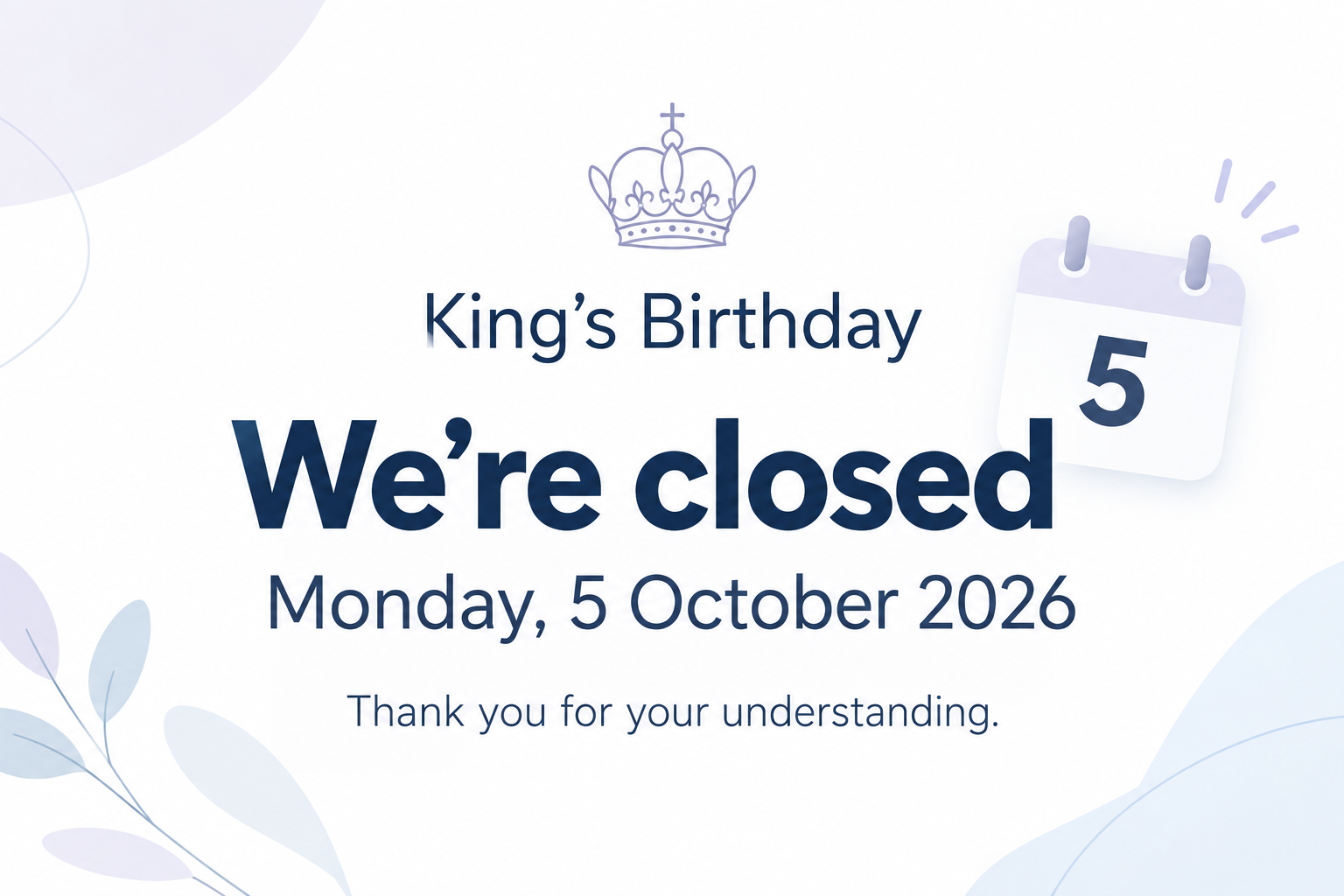
We’re closed on Monday, 5 October for the King’s Birthday public holiday.
We’ll reopen on Tuesday, 6 October, with bookings available as usual.
We’ll reopen on Tuesday, 6 October, with bookings available as usual.
 Home
Home
.jpeg)
Think flu season is over because winter has passed? Not necessarily.
Queensland experienced a later and more unusual influenza season in 2026, with health authorities warning that the flu peak was expected later than usual. Queensland's Chief Health Officer noted in August that the state was seeing a later flu peak and encouraged people to get vaccinated before the Queensland free vaccination programme ended on 30 September.
That matters in Brisbane because spring does not automatically mean you're in the clear.
Influenza can cause a sudden fever, chills, cough, headache, muscle aches and significant tiredness. A cold, on the other hand, often develops more gradually and is more likely to cause a runny or blocked nose and sore throat.
And then there is another common question: Is it Flu A or Flu B?
Both are types of influenza virus and can cause similar symptoms. In practice, you generally cannot tell whether you have influenza A or influenza B simply by looking at your symptoms. Testing may be needed to identify the virus.
If you're in Aspley or Brisbane's Northside and suddenly feel much more unwell than you would expect from an ordinary cold, knowing the difference between cold and flu symptoms can help you decide when to rest at home, when to speak with a GP and when urgent medical care is needed.
Cold vs Flu: What Is the Difference?
The symptoms can overlap, but there are some useful patterns to look for.
|
Symptom |
Common cold |
Influenza |
|
Onset |
Usually gradual |
Often sudden |
|
Fever |
Less common |
Common |
|
Chills |
Less common |
Common |
|
Cough |
Common |
Common, often dry |
|
Sore throat |
Common |
Sometimes |
|
Runny or blocked nose |
Common |
Sometimes |
|
Headache |
Less common |
Common |
|
Body aches |
Usually mild or absent |
Common |
|
Fatigue |
Usually mild |
Often significant |
|
Nausea, vomiting or diarrhoea |
Uncommon |
Can occur, particularly in children |
This is a guide rather than a diagnostic test. Respiratory infections can present differently from person to person, and symptoms alone cannot always distinguish influenza from other viral infections.
The biggest clue: how quickly did you become unwell?
A cold may start with a scratchy throat, sneezing or a runny nose and gradually develop.
Influenza can feel very different.
You may be functioning normally one day and then develop fever, chills, body aches, headache, cough and significant exhaustion quite suddenly.
That rapid onset is one of the reasons people often describe influenza as feeling much more intense than an ordinary cold.
What Are Flu A Symptoms?
Influenza A is one of the two main types of influenza virus that commonly infect people. There are different subtypes and strains of influenza A circulating over time.
Symptoms can include:
Flu A symptoms can look very similar to Flu B symptoms, so symptoms alone cannot reliably tell you which type you have.
What Are Flu B Symptoms?
Influenza B is another major type of seasonal influenza virus.
Flu B can cause many of the same symptoms as Flu A, including:
So, if you're searching for influenza B symptoms because you have suddenly developed a fever, cough and body aches, remember that these symptoms can also occur with Flu A and other respiratory infections.
Flu A vs Flu B: Is One Worse?
Not necessarily.
Both influenza A and B can cause mild illness or more serious disease. The severity depends on several factors, including age, pregnancy, existing medical conditions and individual health.
Instead of trying to judge the seriousness of your illness based solely on whether it is Flu A or Flu B, pay attention to how unwell you are and whether you have risk factors for complications.
Why Does Flu Sometimes Feel Worse Than a Cold?
Influenza is a respiratory infection caused by influenza viruses, while the common cold can be caused by many different viruses.
Healthdirect notes that influenza is generally more serious than the common cold and can cause severe disease in some people.
One reason flu can feel particularly intense is the combination of systemic symptoms.
Instead of only having a blocked nose or sore throat, you may experience:
Fever + chills + body aches + headache + cough + exhaustion
That combination can leave you feeling unable to carry out your normal activities.
How Long Does the Flu Last?
There is no single timeline that applies to everyone.
Many people recover from uncomplicated influenza without specific medical treatment, although symptoms can be significant and tiredness may last beyond the initial illness.
Resting, drinking plenty of fluids and managing symptoms can help while your body recovers. Healthdirect advises that otherwise healthy people with mild flu generally do not need to see a doctor.
However, some people are more vulnerable to complications.
If you are pregnant, older, very young, immunocompromised or have an underlying medical condition, speak with a healthcare professional if you develop flu symptoms.
When Should You See a GP for Flu Symptoms?
You do not necessarily need a GP appointment every time you develop a cough or fever.
However, medical advice may be appropriate if:
Your GP can assess your symptoms, medical history and risk factors and advise whether further testing or treatment is appropriate.
When Is It an Emergency?
Do not wait for a GP appointment if you are experiencing a medical emergency.
Call 000 or seek urgent medical care if you experience symptoms such as:
For children, urgent assessment may be needed if they have significant breathing difficulty, unusual drowsiness, poor fluid intake or other concerning symptoms.
Do You Need a Flu Test?
Not everyone with flu-like symptoms needs testing.
Influenza can be diagnosed using tests such as a PCR test or rapid antigen test (RAT), depending on the situation and test available.
Your GP can determine whether testing is appropriate based on your symptoms, risk factors and clinical circumstances.
Testing may be particularly relevant when identifying a respiratory infection could affect treatment or infection-control decisions.
Who Is More at Risk of Flu Complications?
Influenza can affect anyone, but some people have a greater risk of serious illness.
This includes:
The Australian Government recommends annual influenza vaccination for everyone aged 6 months and over, with vaccination funded under the National Immunisation Program for specific groups.
Is It Too Late to Get a Flu Vaccine in 2026?
Not necessarily.
The answer depends on your eligibility and where you receive the vaccine.
The 2026 Queensland Free Flu Vaccination Program concluded on 30 September 2026. However, free influenza vaccination continues through the National Immunisation Program (NIP) for eligible people.
Under the NIP, influenza vaccination is funded for:
If you are not eligible for a free vaccine, you can discuss private vaccination options with your healthcare provider.
Does the flu vaccine guarantee you won't get flu?
No.
You can still develop influenza after vaccination. However, annual vaccination is recommended because it reduces the risk of influenza and its complications and is an important way to protect against serious illness.
Why Is Brisbane's 2026 Flu Season Running Late?
Influenza activity does not always follow exactly the same pattern every year.
Queensland Health reported in August 2026 that the state was experiencing a later and unusual flu season, with the peak expected in the weeks ahead.
That is why the arrival of spring should not automatically be taken as a sign that influenza is no longer circulating.
If you develop sudden flu-like symptoms in Brisbane, consider your symptoms rather than relying only on the calendar.
What Can You Do If You Have Flu Symptoms?
If your symptoms are mild and you are otherwise healthy, practical steps may include:
Rest
Your body needs time to recover. Reduce strenuous activity while you are unwell.
Drink Plenty of Fluids
Fever and reduced food or fluid intake can contribute to dehydration. Drink regularly unless a healthcare professional has advised you to restrict fluids.
Stay Home When Unwell
Avoid close contact with others while you are sick where possible. This is particularly important around people who may be at higher risk of complications.
Monitor Your Symptoms
Pay attention to whether your symptoms are improving, remaining the same or becoming worse.
Speak With a GP if You Are Concerned
You do not have to wait until symptoms become severe before asking for medical advice.
Flu A, Flu B or a Cold? Don't Guess From One Symptom
A blocked nose does not automatically mean you have a cold.
A fever does not automatically mean you have influenza.
And having body aches does not tell you whether you have Flu A or Flu B.
Respiratory infections can overlap considerably, which is why the overall pattern of symptoms, severity, duration and individual health risks matters.
If you are unsure, a GP can help assess your symptoms and determine whether further testing or treatment is appropriate.
Flu Vaccination and GP Care at Aspley Family Medical Practice
At Aspley Family Medical & Dental Practice, patients can discuss influenza symptoms, vaccination and other primary healthcare concerns with a GP.
If you are experiencing flu-like symptoms, your GP can consider your symptoms and individual risk factors and advise whether you need further assessment.
The practice can also provide vaccination services where appropriate, including discussing whether you may be eligible for a government-funded influenza vaccine.
For patients in Aspley and Brisbane's Northside, having a regular GP can make it easier to keep track of vaccinations and manage health conditions that may increase the risk of complications from influenza.
Final Takeaway: Cold or Flu?
The simplest rule is this:
A cold often creeps in. Flu can hit hard and fast.
Fever, chills, body aches, headache, cough and significant fatigue are more characteristic of influenza, while runny or blocked nose and sore throat are common with colds. But symptoms overlap, and you cannot reliably identify Flu A versus Flu B based on symptoms alone.
If your symptoms are mild, rest, fluids and monitoring may be enough.
If you are concerned, have risk factors or are becoming more unwell, speak with your GP.
And if you have severe breathing difficulty, severe chest pain or another medical emergency, call 000.
Frequently Asked Questions
Is Flu A worse than Flu B?
Neither type should automatically be considered worse. Both influenza A and B can cause mild to severe illness, depending on the individual and their risk factors.
What are the most common Flu A symptoms?
Common symptoms include fever, chills, cough, sore throat, headache, muscle aches, fatigue and sometimes a runny or blocked nose.
What are Flu B symptoms?
Flu B can cause fever, chills, cough, sore throat, headache, body aches, fatigue and respiratory symptoms. The symptoms can be very similar to Flu A.
Can you tell if you have Flu A or Flu B from symptoms?
No. Flu A and Flu B symptoms overlap considerably. Testing may be needed to identify the influenza type.
How can I tell the difference between a cold and flu?
Flu is more likely to cause sudden onset, fever, chills, body aches, headache and significant fatigue. Colds more commonly cause a runny or blocked nose and sore throat.
Can I get flu in spring in Brisbane?
Yes. Influenza can circulate outside the typical peak period. Queensland reported a later flu peak in 2026, so spring does not necessarily mean flu activity has ended.
Is the flu vaccine still free in Queensland after 30 September 2026?
The Queensland-wide free influenza vaccination programme ended on 30 September 2026. However, eligible people can still receive a free influenza vaccine through the National Immunisation Program.
Who is eligible for a free flu vaccine under the NIP?
The NIP funds influenza vaccination for children aged 6 months to under 5 years, people aged 65 and over, Aboriginal and Torres Strait Islander people aged 6 months and over, pregnant women at any stage of pregnancy, and people aged 6 months and over with certain medical conditions.
Should I see a GP if I have flu symptoms?
If you are otherwise healthy and have mild symptoms, you may not need to see a doctor. However, seek medical advice if symptoms are severe, worsening, prolonged, or if you are in a higher-risk group.
When should I call 000 for flu symptoms?
Call 000 for a medical emergency, including severe difficulty breathing, severe chest pain, severe confusion or sudden serious deterioration.