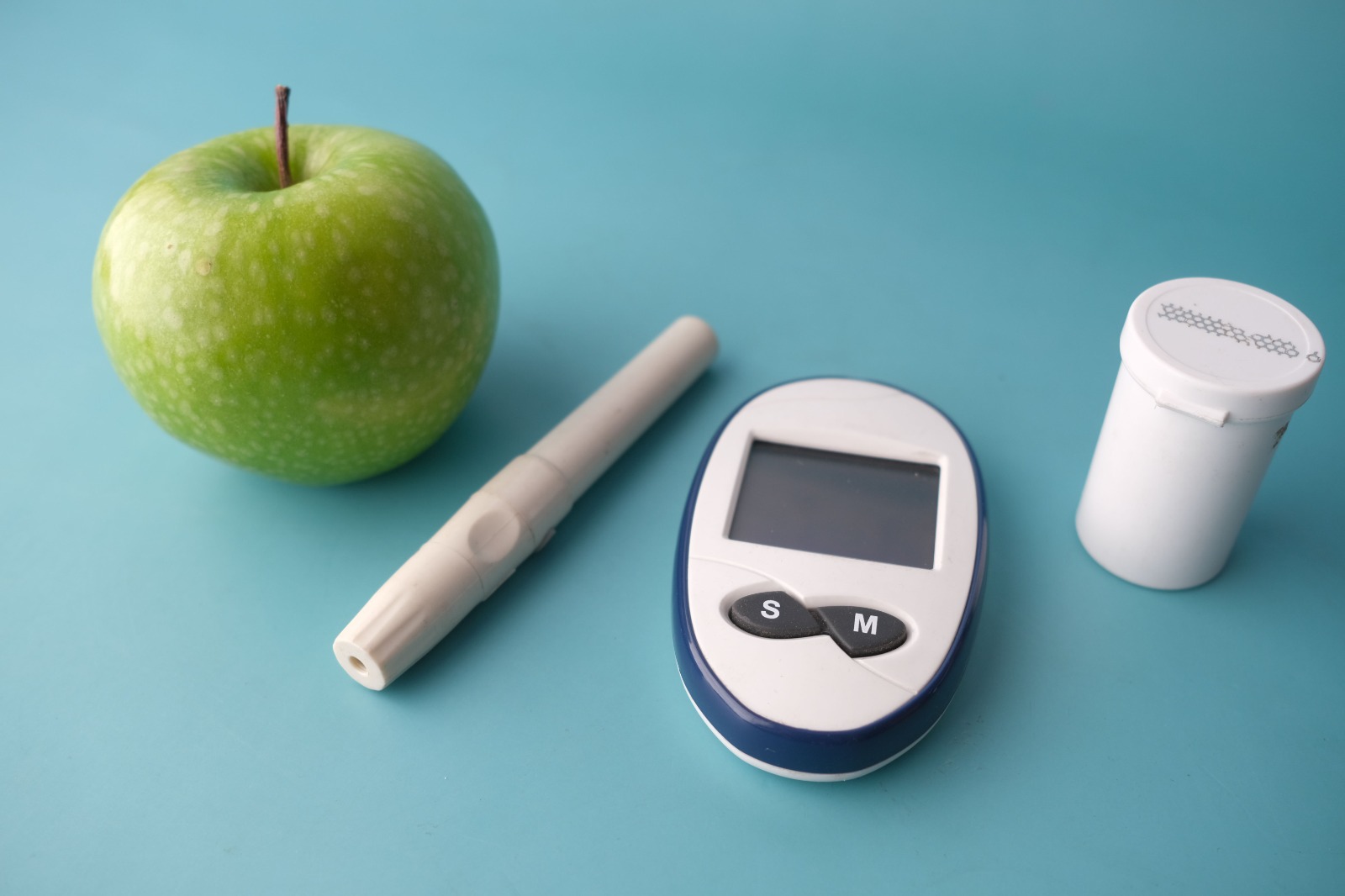
Every year on 24 July, people around the world celebrate International Self-Care Day—a reminder that looking after your health is something you should do 24 hours a day, 7 days a week. While the occasion highlights the importance of self-care, its message extends far beyond a single day. True self-care is about making consistent choices that support your physical, mental, and emotional wellbeing throughout the year.
In today's fast-paced world, it's easy to put yourself last. Busy work schedules, family responsibilities, financial pressures, and social commitments often leave little time for personal wellbeing. Many Australians only visit a doctor when they feel unwell, overlooking the importance of preventive care and healthy daily habits.
At Aspley Family Medical Practice (AFMDP), we believe self-care is one of the most valuable investments you can make in your long-term health. Whether it's scheduling a routine health check, staying active, managing stress, or speaking to your GP about ongoing concerns, small steps taken consistently can lead to lasting improvements in your quality of life.
This International Self-Care Day, let's explore what self-care really means and how simple, practical habits can help you live a healthier and happier life.
What Does Self-Care Really Mean?
Self-care is often misunderstood as treating yourself to a relaxing weekend or taking an occasional break from work. While these activities can certainly help you recharge, genuine self-care goes much deeper.
According to Australian health organisations, self-care involves the everyday decisions and actions that help you maintain good health, prevent illness, and manage existing medical conditions. It empowers people to take an active role in their wellbeing while recognising when professional medical advice is needed.
Self-care may include:
- Eating nutritious meals
- Staying physically active
- Getting enough quality sleep
- Managing stress effectively
- Looking after your mental health
- Staying connected with family and friends
- Avoiding smoking and limiting alcohol
- Keeping vaccinations and health checks up to date
- Seeking medical advice when something doesn't feel right
Rather than aiming for perfection, self-care is about creating sustainable habits that fit your lifestyle.
Why Self-Care Is More Important Than Ever
Modern life presents many challenges that can affect our overall health.
Long working hours, sedentary lifestyles, increased screen time, poor sleep, financial stress, and social isolation can all impact both physical and mental wellbeing. Over time, these factors may contribute to chronic conditions such as high blood pressure, diabetes, obesity, anxiety, depression, and heart disease.
The good news is that many of these risks can be reduced through preventive healthcare and healthy lifestyle choices.
Self-care doesn't eliminate every health problem, but it helps you recognise changes early, build resilience, and make informed decisions about your wellbeing.
By making your health a priority today, you're investing in a healthier future.
Seven Everyday Self-Care Habits That Support Better Health
1. Prioritise Preventive Health Check-Ups
One of the most overlooked aspects of self-care is preventive healthcare.
Many medical conditions develop gradually without obvious symptoms. Regular GP visits allow potential health concerns to be identified early, when treatment is often simpler and more effective.
Routine health checks may include monitoring:
- Blood pressure
- Cholesterol
- Blood glucose levels
- Weight and BMI
- Heart health
- Skin changes
- General wellbeing
At AFMDP, preventive healthcare is an important part of supporting patients through every stage of life. Regular appointments help build a clearer picture of your overall health and provide an opportunity to discuss any concerns before they become more serious.
2. Make Movement Part of Your Daily Routine
You don't need to spend hours in the gym to enjoy the benefits of physical activity.
Regular movement supports:
- Heart health
- Healthy weight management
- Strong muscles and bones
- Better sleep
- Improved mood
- Reduced stress
Walking around your neighbourhood, swimming, cycling, gardening, or participating in community sports are all excellent ways to stay active.
Australian guidelines encourage adults to include regular physical activity throughout the week while reducing long periods of sitting whenever possible.
The most important thing is finding an activity you enjoy and can maintain consistently.
3. Nourish Your Body with Healthy Food
Food provides the energy and nutrients your body needs to function well.
A balanced diet rich in vegetables, fruit, whole grains, lean protein, healthy fats, and adequate water supports your immune system, heart health, digestive health, and mental wellbeing.
Rather than following restrictive diets, focus on creating balanced eating habits that you can maintain over time.
Simple changes—such as cooking more meals at home, reducing sugary drinks, and including more fresh produce—can make a meaningful difference to your overall health.
4. Prioritise Quality Sleep
Sleep is often sacrificed when life becomes busy, but it's one of the foundations of good health.
Quality sleep allows your body to recover, supports brain function, strengthens the immune system, and improves emotional wellbeing.
Adults generally benefit from maintaining a regular sleep schedule and creating healthy bedtime habits, such as:
- Limiting screen time before bed
- Reducing caffeine late in the day
- Keeping a consistent sleep routine
- Creating a quiet and comfortable sleeping environment
If you're experiencing ongoing sleep difficulties, discussing them with your GP may help identify any underlying health concerns.
5. Look After Your Mental Wellbeing
Mental health is just as important as physical health.
Stress, anxiety, grief, burnout, and emotional challenges affect many Australians at different stages of life.
Looking after your mental wellbeing may involve:
- Spending time outdoors
- Practising mindfulness
- Talking with trusted family or friends
- Taking regular breaks from work
- Setting realistic boundaries
- Seeking professional support when needed
At AFMDP, our GPs understand that mental health is an essential part of overall wellbeing. If stress or emotional difficulties begin affecting your daily life, seeking support early can make a positive difference.
6. Stay on Top of Chronic Health Conditions
If you're living with a chronic condition such as diabetes, asthma, high blood pressure, high cholesterol, or arthritis, self-care plays a vital role in managing your health.
Looking after a long-term condition isn't just about taking medication. It also involves understanding your condition, attending regular medical reviews, making healthy lifestyle choices, and recognising when symptoms change.
Effective self-care for chronic conditions may include:
- Taking medications as prescribed
- Monitoring your symptoms
- Attending routine GP appointments
- Following recommended treatment plans
- Maintaining a healthy diet
- Staying physically active
- Avoiding smoking
- Managing stress effectively
Regular reviews with your GP help ensure your treatment remains appropriate as your health needs change over time.
At Aspley Family Medical Practice (AFMDP), we work closely with patients to develop personalised management plans that support long-term health and improve quality of life.
7. Make Time for the People Who Matter
Self-care isn't only about physical health—it also includes nurturing meaningful relationships.
Spending time with family, friends, neighbours, or community groups can improve emotional wellbeing and reduce feelings of loneliness and isolation.
Simple activities such as sharing a meal, taking a walk with a friend, joining a local club, or calling a loved one can positively impact your mental health.
Building strong social connections also helps people cope better during challenging periods of life.
When Self-Care Isn't Enough
While healthy habits are incredibly valuable, there are times when professional medical support is essential.
You should consider speaking with your GP if you experience:
- Ongoing fatigue
- Persistent stress or anxiety
- Low mood lasting more than a few weeks
- Difficulty sleeping
- Unexplained weight changes
- Persistent pain
- Changes in appetite
- Frequent headaches
- Difficulty coping with everyday responsibilities
- Any symptoms that concern you
Seeking medical advice early often leads to earlier diagnosis, more treatment options, and better long-term outcomes.
Remember, asking for help is a positive step—not a sign of weakness.
How AFMDP Supports Your Self-Care Journey
At Aspley Family Medical Practice, we believe self-care works best when combined with trusted medical guidance.
Our experienced General Practitioners partner with patients to help them achieve better health through preventive care, early intervention, and personalised treatment.
Whether you're focusing on prevention or managing an existing condition, AFMDP offers comprehensive healthcare services including:
- Preventive health assessments
- General health check-ups
- Chronic disease management
- Mental health support
- Women's health
- Men's health
- Children's health
- Immunisations
- Skin checks
- Lifestyle advice
Every patient has unique health goals, which is why our GPs take the time to understand your concerns and provide care tailored to your individual needs.
Small Daily Choices Create Lifelong Benefits
Many people believe self-care requires major lifestyle changes.
In reality, it's the small decisions you make every day that often have the greatest impact.
Choosing water instead of sugary drinks.
Going for a walk after dinner.
Booking your annual health check.
Getting enough sleep.
Talking to someone when you're feeling overwhelmed.
Preparing healthier meals.
Taking a few minutes each day to relax and recharge.
These simple habits may seem small on their own, but together they contribute to better physical health, improved mental wellbeing, and greater resilience over time.
Celebrate International Self-Care Day by Putting Your Health First
International Self-Care Day is a reminder that your wellbeing deserves attention every day of the year—not only when illness appears.
Looking after yourself doesn't have to be complicated. It starts with recognising that your health matters and making practical choices that support your body and mind.
At AFMDP, we're committed to helping individuals and families in Aspley and the surrounding Brisbane community take a proactive approach to their health. Whether you need a routine health check, advice on healthy living, support managing a chronic condition, or guidance for your mental wellbeing, our team is here to help.
This International Self-Care Day, take one meaningful step towards a healthier future.
Book a preventive health appointment, prioritise your wellbeing, and remember—self-care starts with you.
Frequently Asked Questions
1. What is International Self-Care Day?
International Self-Care Day is observed each year on 24 July. The date (24/7) highlights the importance of looking after your health every day through healthy lifestyle choices and preventive care.
2. Why is self-care important?
Self-care supports physical, mental, and emotional wellbeing. Healthy daily habits can help prevent illness, improve quality of life, and support long-term health.
3. Is self-care only about mental health?
No. Self-care includes physical activity, healthy eating, quality sleep, stress management, preventive healthcare, social wellbeing, and seeking medical advice when necessary.
4. How can a GP help with self-care?
A GP can provide preventive health checks, lifestyle advice, vaccinations, chronic disease management, mental health support, and personalised healthcare recommendations based on your individual needs.
5. How often should I have a health check-up?
The frequency depends on your age, medical history, family history, and overall health. Your GP can recommend an appropriate schedule based on your personal circumstances.
6. What are some simple self-care habits I can start today?
You can begin by drinking more water, eating balanced meals, being physically active, improving your sleep routine, taking breaks to manage stress, and booking a routine GP check-up.
7. When should I seek medical advice instead of managing symptoms myself?
If symptoms persist, worsen, interfere with your daily life, or you're unsure about their cause, it's important to consult your GP for a professional assessment.
8. How does AFMDP support preventive healthcare?
AFMDP provides comprehensive preventive care, including routine health checks, chronic disease management, mental health support, immunisations, health screenings, and personalised medical advice to help patients maintain their long-term wellbeing.




.jpeg)