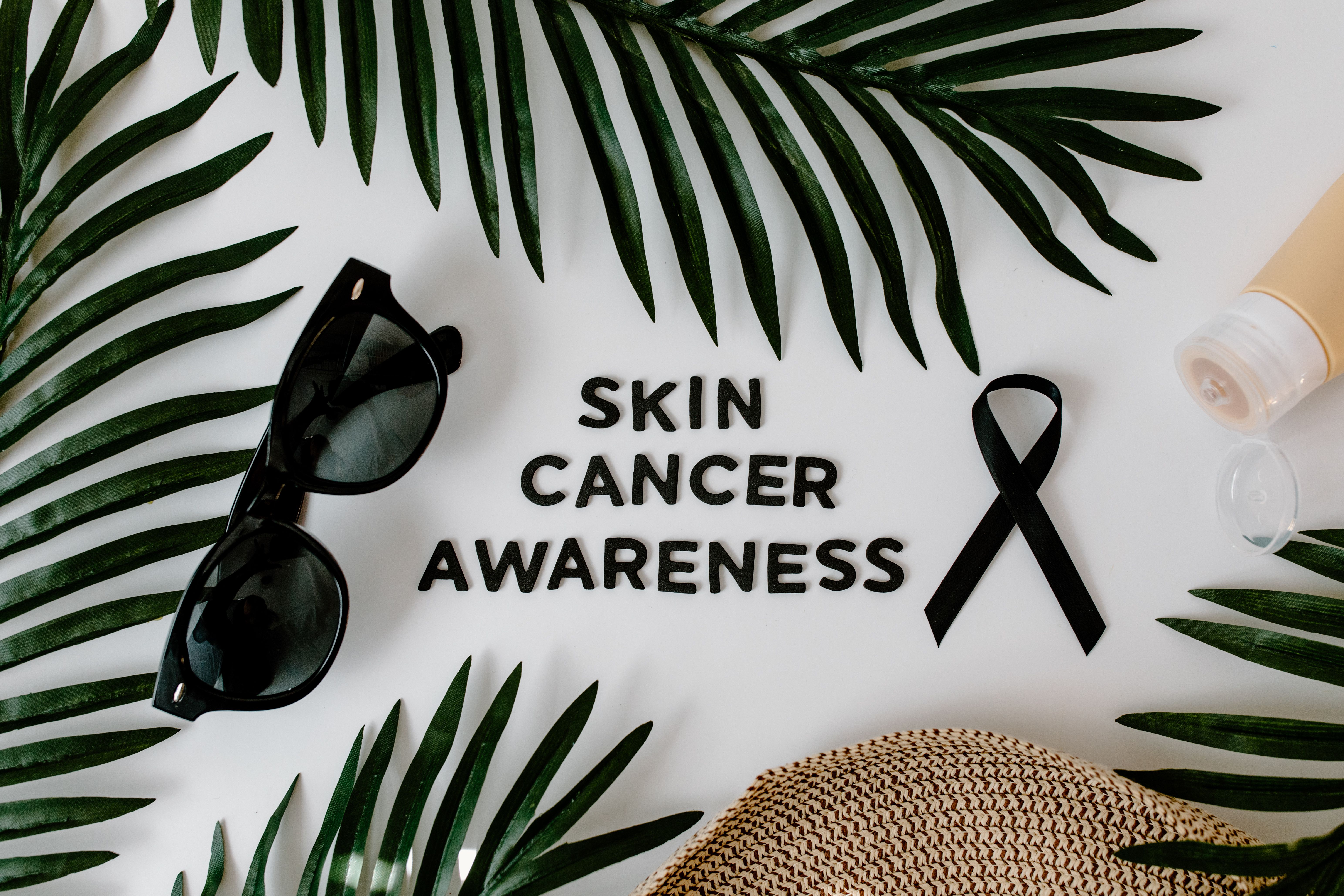
Australia experiences high levels of UV exposure, making skin cancer an important health concern for people of all ages. While skin cancer can affect anyone, regular skin checks and knowing what changes to look for can help with early detection.
At Aspley Family Medical Practice, skin cancer services include comprehensive skin checks, mole assessment, dermatoscopic assessment and biopsy procedures when required. If you notice a new or changing spot, mole or unusual skin growth, speaking with a GP can help determine whether further assessment is needed.
What Is Skin Cancer?
Skin cancer occurs when abnormal skin cells grow in an uncontrolled way. UV radiation from the sun is a major cause of skin damage and is responsible for more than 95% of skin cancers. Australia also has one of the highest rates of skin cancer in the world.
There are three main types of skin cancer:
- Basal cell carcinoma (BCC) – usually grows slowly and is the most common type.
- Squamous cell carcinoma (SCC) – can be more aggressive and may spread if left untreated.
- Melanoma – less common but the most serious type of skin cancer.
Knowing the warning signs and checking your skin regularly can help you identify changes that need medical attention.
What Are the Warning Signs of Skin Cancer?
Skin cancer does not always cause pain or obvious symptoms in its early stages. This is why getting to know your own skin is important.
Look out for:
- A new mole or unusual skin growth
- A mole that changes in size, shape or colour
- An irregular or uneven border
- A spot with multiple colours
- A sore that does not heal
- A red or scaly patch
- A spot that becomes itchy, crusted or starts bleeding
- A lesion that looks noticeably different from the others
Cancer Council Australia recommends paying attention to new or changing spots and seeking medical advice if you notice something concerning.
Understanding the ABCDE Rule
The ABCDE method can be useful when checking moles and other pigmented spots:
A – Asymmetry: One half of the spot does not look like the other.
B – Border: The edges are irregular, uneven or notched.
C – Colour: The spot contains different colours or develops a noticeable colour change.
D – Diameter: The spot is becoming larger.
E – Evolving: The spot changes in size, shape, colour or appearance over time.
Remember that the ABCDE rule is a guide, not a diagnosis. If you are concerned about a mole or skin lesion, a GP can assess it properly.
Who Is at Higher Risk of Skin Cancer?
Anyone can develop skin cancer, but certain factors can increase your risk.
You may have a higher risk if you have:
- A history of significant sun exposure
- Frequent sunburn
- Fair or sensitive skin
- Many moles or freckles
- A personal history of skin cancer
- A family history of skin cancer
- A history of outdoor work or spending considerable time outdoors
- Regular exposure to UV radiation
People with darker skin can also develop skin cancer, although their risk may be lower because of greater natural protection from melanin. UV protection remains important for everyone.
Why Are Regular Skin Checks Important?
Skin cancers can sometimes develop without noticeable symptoms. A professional skin check gives a GP an opportunity to examine the skin systematically and identify spots or lesions that may require further assessment.
At Aspley Family Medical Practice, a skin check may include:
- Full-body skin examination
- Identification of suspicious lesions
- Mole assessment
- Dermatoscopic examination
- Monitoring of changing moles
- Biopsy where clinically appropriate
The clinic's skin cancer service is designed around early identification, assessment and appropriate follow-up.
What Happens During a Skin Cancer Check?
A skin cancer check generally starts with a consultation where your GP discusses your concerns, medical history and potential risk factors.
The GP can then examine your skin and assess any suspicious moles, spots or lesions. A dermatoscope may be used to examine a lesion in greater detail.
If a particular lesion requires further investigation, a biopsy may be recommended. A biopsy involves removing a small sample of skin for laboratory examination to help establish an accurate diagnosis.
Skin Cancer Prevention: Protect Your Skin
Regular checks are important, but protecting your skin from excessive UV exposure is equally important.
Simple sun-protection measures include:
- Apply broad-spectrum sunscreen with SPF 30 or higher
- Wear protective clothing when outdoors
- Use a hat and sunglasses
- Seek shade where possible
- Avoid unnecessary exposure during periods of high UV
- Never use tanning beds
- Check the UV Index and take appropriate sun protection measures
UV radiation can damage skin even when the weather does not feel particularly hot, so sun protection should not be based solely on temperature.
When Should You See a GP?
You should consider seeing a GP if you notice:
- A new or unusual mole
- A mole that is changing
- A sore that does not heal
- A spot that bleeds or crusts
- A rapidly changing skin lesion
- A suspicious growth
- A spot that looks different from the rest of your skin
If you have previously had skin cancer, have many moles, significant sun exposure or a family history of skin cancer, discuss your individual skin-check needs with your GP.
Skin Cancer Checks in Aspley
If you are looking for a skin cancer check in Aspley, Aspley Family Medical Practice provides skin assessment services as part of its preventive and skin cancer care.
The clinic offers full-body skin examinations, mole assessments, dermatoscopic assessment and biopsy procedures, with treatment or specialist referral where appropriate.
You do not need to wait until a skin lesion becomes painful. If you notice a change that concerns you, early medical assessment can help determine what it is and whether further investigation is required.
Frequently Asked Questions
How often should I have a skin cancer check?
The appropriate frequency depends on your individual risk factors. AFMDP states that most adults should have a skin check annually, with more frequent checks potentially appropriate for people with factors such as a family history of skin cancer, many moles or high sun exposure.
Do I need a referral for a skin cancer check in Aspley?
No. According to AFMDP, you can book directly with a GP for a full-body skin examination without a referral.
Can a mole be cancerous even if it does not hurt?
Yes. Skin cancers do not always cause pain, so changes in a mole or the appearance of a new or unusual spot should not be ignored.
What is a dermatoscope?
A dermatoscope is a specialised examination tool that allows a GP to look at skin lesions in greater detail than with the naked eye. AFMDP uses dermatoscopic assessment as part of its skin cancer check services.
Where can I get a skin cancer check in Aspley?
Aspley Family Medical Practice provides skin cancer checks, mole assessments and related services at Shop 1, Aspley Arcade 2 Shopping Centre, 1368 Gympie Rd, Aspley QLD 4034.
Take Changes in Your Skin Seriously
Knowing your skin and noticing changes early can make a difference. Regular self-checks, appropriate sun protection and professional skin assessments can all play an important role in skin health.
If you have noticed a new, changing or unusual spot, consider booking a skin cancer check in Aspley with a GP at Aspley Family Medical Practice.