Introduction
Asthma is one of Australia's most common chronic respiratory conditions, affecting people of all ages. While many people think of asthma as something that only flares up during allergy season or after exercise, it's actually a long-term condition that requires regular monitoring and appropriate treatment to stay under control.
For many Australians, asthma symptoms can change over time. Stress, respiratory infections, seasonal pollen, cold weather, and poor air quality can all affect how well asthma is controlled. That's why managing asthma isn't simply about using an inhaler when symptoms appear—it's about understanding your condition, identifying triggers, reviewing your treatment regularly, and working with your GP to prevent flare-ups before they happen.
If you live in Aspley or Brisbane's northside, partnering with a trusted GP can help you manage asthma confidently and maintain an active, healthy lifestyle.
Understanding Asthma
Asthma is a chronic inflammatory condition that affects the airways of the lungs. When exposed to certain triggers, the airways become inflamed and narrowed, making it harder for air to move in and out of the lungs.
Symptoms may come and go, and their severity varies from person to person. Some people experience occasional mild symptoms, while others may have more frequent episodes that interfere with work, exercise, sleep, or daily activities.
Although asthma cannot be cured, it can usually be managed effectively with the right combination of medication, regular reviews, and self-management strategies.
Recognising the Signs of Poorly Controlled Asthma
Many people assume their asthma is well managed simply because they don't experience severe attacks. However, asthma may not be well controlled if you:
- Need your reliever inhaler more than recommended
- Wake up at night with coughing or wheezing
- Feel breathless during everyday activities
- Avoid exercise because of breathing difficulties
- Experience repeated chest infections
- Have required urgent medical care due to asthma symptoms
These are signs that your current treatment plan may need to be reviewed by your GP.
Why Regular Asthma Reviews Matter
Asthma isn't a condition that should be managed only when symptoms worsen.
Regular asthma reviews allow your GP to monitor your condition, assess whether your medication is still appropriate, and make adjustments before small problems become serious.
During an asthma review, your GP may:
- Review your current symptoms
- Assess how often you're using your inhalers
- Check whether your asthma is well controlled
- Review possible environmental triggers
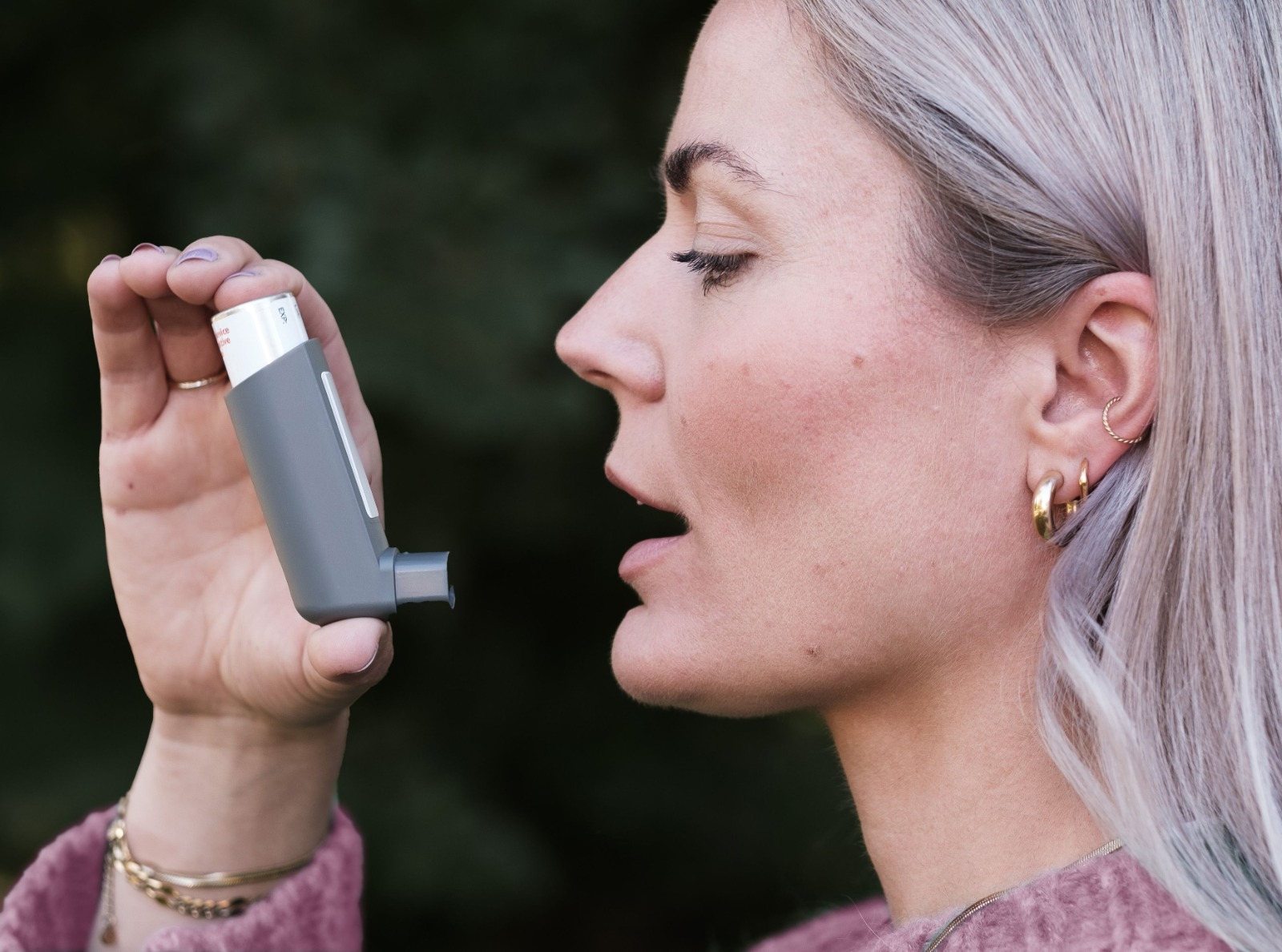
- Assess your inhaler technique
- Update your Asthma Action Plan
- Recommend additional investigations if required
These appointments help reduce the risk of severe flare-ups and improve day-to-day symptom control.
The Role of Spirometry in Asthma Care
One of the most valuable tools in diagnosing and monitoring asthma is spirometry.
Spirometry is a simple breathing test that measures how well your lungs are working. It helps your GP assess airflow, confirm or support a diagnosis of asthma, distinguish asthma from other respiratory conditions such as COPD, and monitor changes in lung function over time. Spirometry is considered an essential investigation when asthma or COPD is suspected.
While symptoms provide important information, objective lung function testing gives a clearer picture of how well your airways are functioning and whether treatment is effective.
Personalised Asthma Management
Asthma affects everyone differently, which means treatment should never follow a one-size-fits-all approach.
A personalised asthma management plan may include:
- Identifying individual asthma triggers
- Choosing the most appropriate inhaler medication
- Learning the correct inhaler technique
- Developing an Asthma Action Plan
- Scheduling routine asthma reviews
- Lifestyle advice to support lung health
For many patients, these strategies make a significant difference in reducing symptoms and preventing emergency visits.
Asthma and COPD: Understanding the Difference
Although asthma and Chronic Obstructive Pulmonary Disease (COPD) both affect breathing, they are different conditions and require different management approaches.
Asthma often begins earlier in life, involves airway inflammation that is usually reversible with treatment, and symptoms may vary from day to day. COPD is more commonly associated with long-term smoking or exposure to harmful particles, usually develops later in life, and causes persistent airflow limitation that gradually worsens over time. Some adults have features of both conditions, requiring careful assessment and tailored treatment.
An accurate diagnosis is important because the medications and long-term management strategies may differ.
Comprehensive Respiratory Care at AFM Medical & Dental Practice
Managing asthma is about more than prescribing an inhaler. At AFM Medical & Dental Practice, respiratory care focuses on accurate assessment, evidence-based treatment, and ongoing support to help patients achieve better asthma control.
The practice offers comprehensive asthma and COPD care, including clinical assessment, spirometry, personalised treatment plans, medication reviews, inhaler technique education, and regular follow-up appointments. By monitoring symptoms over time and adjusting treatment when needed, the team helps patients manage their condition more effectively and reduce the risk of future exacerbations.
Whether you've recently been diagnosed with asthma, have noticed changes in your symptoms, or require ongoing respiratory care, establishing a long-term relationship with your GP can provide continuity, confidence, and better health outcomes.
Conclusion
Living with asthma doesn't have to mean limiting your lifestyle. With the right diagnosis, regular GP reviews, appropriate medication, and a personalised management plan, most people with asthma can enjoy work, exercise, travel, and everyday activities with confidence.
If you've noticed increasing symptoms, are relying on your reliever inhaler more often, or haven't reviewed your asthma in some time, booking an appointment with your GP is an important step towards improving your respiratory health.
Frequently Asked Questions
1. How often should I have my asthma reviewed?
Most people with asthma should have regular reviews with their GP, even when symptoms are well controlled. Your doctor will recommend a schedule based on your condition.
2. What is spirometry, and why is it important?
Spirometry is a breathing test that measures lung function. It helps diagnose asthma, assess its severity, monitor treatment response, and distinguish asthma from COPD.
3. Can adults develop asthma?
Yes. Asthma can develop at any age, even if you've never experienced symptoms as a child.
4. What's the difference between asthma and COPD?
Asthma usually involves reversible airway narrowing and often starts earlier in life, whereas COPD generally causes persistent airflow limitation and is commonly linked to long-term smoking or exposure to harmful particles.
5. Why is inhaler technique important?
Incorrect inhaler technique can reduce the amount of medication reaching your lungs, making treatment less effective. Your GP can check and correct your technique during a review.
6. What is an Asthma Action Plan?
An Asthma Action Plan is a personalised guide that explains your daily treatment, how to recognise worsening symptoms, and when to seek urgent medical care.
7. When should I see a GP about my asthma?
Arrange a review if your symptoms are becoming more frequent, you're using your reliever inhaler more often than usual, waking at night with symptoms, or your asthma is affecting daily activities.
8. Can a GP help manage both asthma and COPD?
Yes. General practitioners play a central role in diagnosing, treating, monitoring, and coordinating ongoing care for people with asthma, COPD, or features of both conditions.



.jpeg)